
How LTL Pricing Works
Learn how freight rates are calculated, and the main pricing factors behind LTL quotes
Your LTL freight rate is based on the details of your shipment, how big and heavy it is, how far it’s being shipped, how much trailer space it occupies, any extra services required for pickup and delivery, and the class (if it’s shipping within the USA or cross border USA⇄Canada).
Fuel surcharges, carrier minimums, and market conditions also affect the final price.
In this guide, we’ll break down each pricing factor, and show simple ways to prevent the most common invoice add-ons, so you can quote accurately and avoid surprise fees.
The main factors behind your LTL freight rate
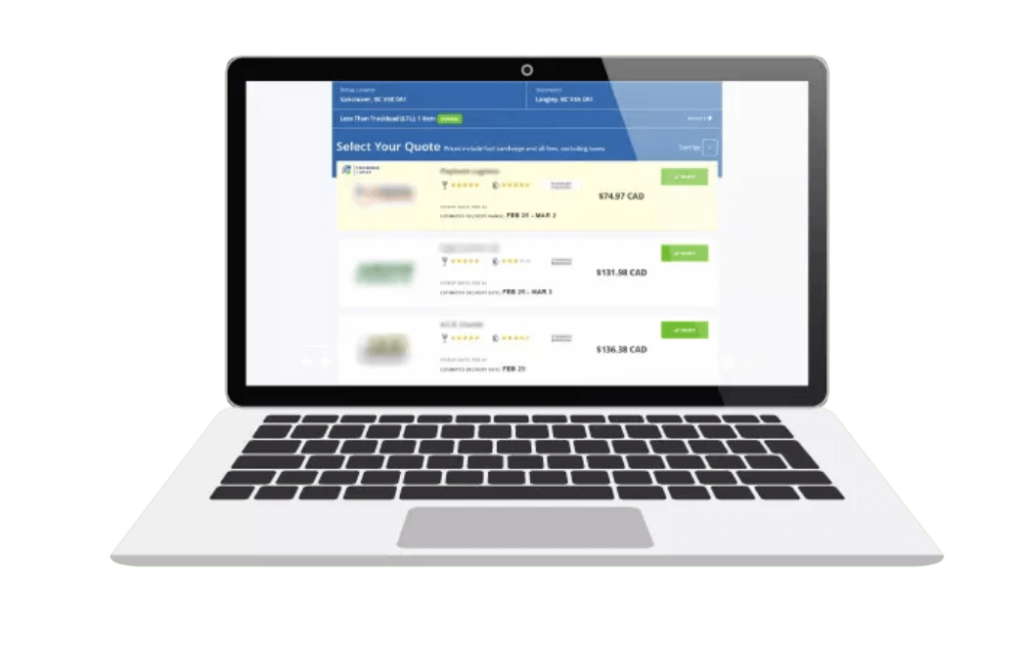
1) Dimensions, weight, and the space used in the truck
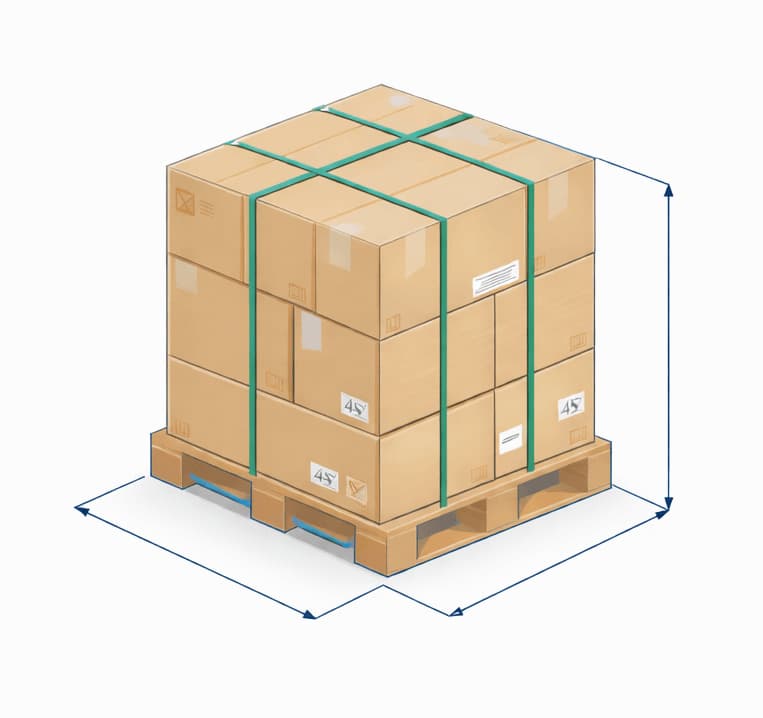
When determining pricing, carriers consider both actual weight and space used.
Large, light pallets can cost more than smaller, heavy ones because they consume more trailer space.
Overlength, cubic capacity, or linear-feet rules may apply when freight takes up significant floor space in the truck.
2) Lane: origin → destination
Distance, regional coverage, and how frequently each lane is serviced by carriers all influence price. Dense, well-served lanes tend to be cheaper.
3) Fuel surcharge
A fuel surcharge (FSC) is added to linehaul and other charges. It follows diesel prices and is updated regularly by carriers.
Expect FSC to move with fuel markets; re-quote close to pickup when fuel prices are volatile.
Freightera’s carriers offer standard and dynamic pricing, depending on the carrier. Standard pricing tends to fluctuate less, while dynamic pricing varies based on fuel charges and availability.
4) Freight class and density
In the USA, most LTL carriers use NMFC class. Class reflects density, handling, stowability, and liability. Lower class numbers usually mean denser freight that is easier to handle and lower cost; higher classes tend to cost more.
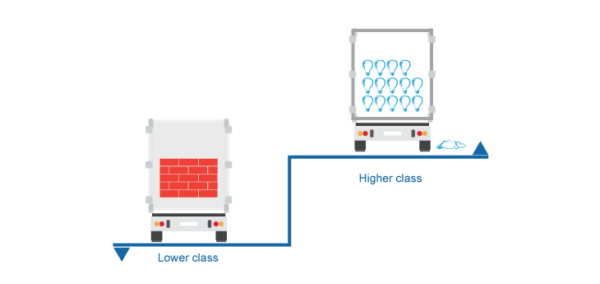
Note that NMFC freight class is only used within the USA, and in cross border shipments (USA⇄Canada). NMFC class doesn’t apply to shipments within Canada.
5) Accessorials and special services
Charges apply for services outside standard dock-to-dock business delivery, such as residential or limited access pick-ups or deliveries; liftgate, appointment, inside delivery, and protect-from-freeze services; shipping hazmat, and others.
6) Carrier minimums and discounts
Most tariffs include a Minimum Charge that sets a price floor even after discounts.
Discounts are applied to the tariff, but the minimum still governs the lowest possible charge. With Freightera, the rate you see is all-inclusive and final, provided the shipment details match what was booked.
7) Packaging, stackability, and readiness
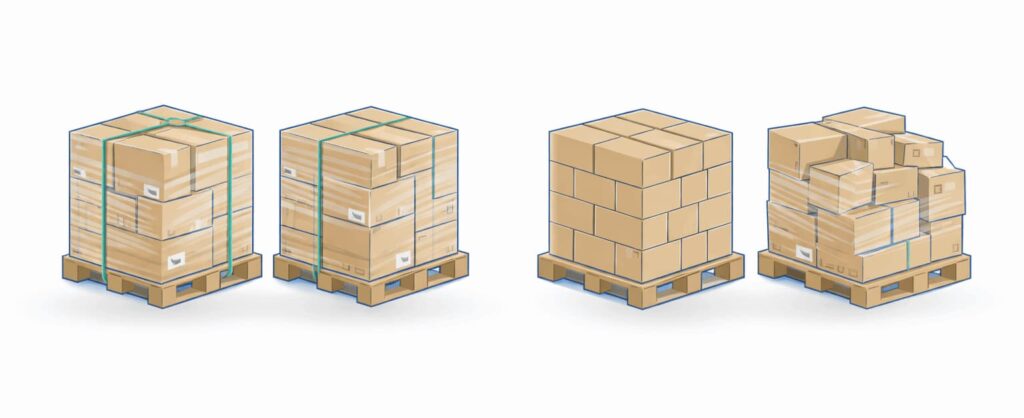
Square, stable, stackable pallets use trailer space efficiently and often are priced better.
Irregular shapes, overhang, or fragile packaging can reduce stowability and increase cost.
8) Capacity and seasonality
Market conditions affect pricing. Tight capacity, weather events, holidays, or surges in demand can raise rates or limit service options.
How Freightera Helps You Keep LTL Costs Predictable
Freightera gives you instant, all-inclusive LTL quotes from a network of vetted, reliable carriers – no hidden fees, no guesswork.
Our exclusive marketplace rates are negotiated directly with carriers based on the shipping volume of thousands of businesses, which allows us to give you access to discounted pricing that isn’t available anywhere else.
Get your instant LTL quote today on Freightera, and ship with confidence.
How to avoid extra charges when shipping LTL
Most additional fees come from four areas: shipment information, packaging, site readiness, and paperwork. Fix these early to prevent most adjustments.
1) Get the exact shipment details before you quote
- Measure L × W × H including packaging and any overhang; round it up to the higher whole number.
- Use a calibrated scale for true weight;
- Confirm stackability and note it accurately. Mark non-stackable only when the freight truly cannot bear any top load;
- Use the correct NMFC/class for shipments within the USA & shipping cross border USA⇄Canada.
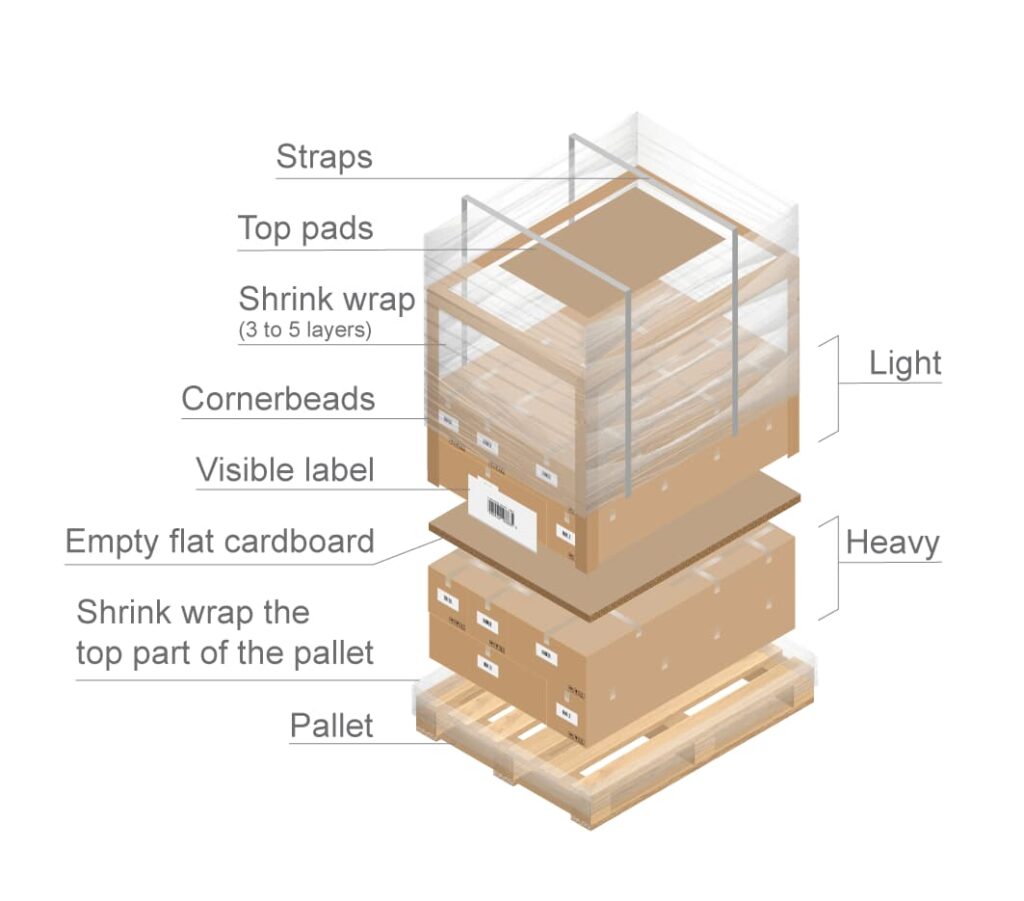
2) Package your shipment well
- Build tight, square pallets with no overhang (if possible);
- Add banding/strapping, edge protectors, and 3-5 wraps + a top sheet;
- Crate fragile items or high-value goods.
3) Select the right services up front
- Declare all required additional services up front while quoting for an all-in quote and to prevent post-pickup adjustments.
- Put pickup/delivery hours, correct contact persons, and site notes in the quote and on the paperwork.
4) Plan for fuel and timing
- Re-quote close to your preferred pickup date, during volatile markets. Most of Freightera’s carriers’ rates are valid for up to 30 days, while some carriers may update their rates daily.
- Avoid peak windows when capacity tightens (holidays, weather events).
How LTL pricing works and how to avoid extra charges in LTL shipping: FAQ
Why did my LTL invoice end up higher than my quote?
Most often, the carrier reweighed/remeasured, reclassified your shipment, or added undeclared accessorial charges to your invoice. If your shipment is larger than what you quoted for, this can also trigger linear-feet/cubic rules.
What is linear-feet (or cubic) pricing in LTL?
If your freight takes a lot of trailer floor space, the carrier may price it like volume/partial truckload, since it blocks other freight from loading.
How can I lower my LTL rate without changing the destination?
Pack tighter to improve density, use standard/stackable pallets, avoid overhang and extra-long pieces, and declare all services up front so the quote is accurate. You may also opt for cheaper shipping services, such as rail shipping or consolidation carriers
How long is an LTL quote valid?
Typically 7-30 days, depending on the carrier and fuel market. Re-quote close to pickup when fuel prices are volatile. Some carriers update their rates daily, while others mostly change rates based on fuel prices.
What is a fuel surcharge in LTL and who sets it?
It’s a floating percentage carriers apply based on diesel prices. Each carrier publishes its own FSC table and updates it regularly.
How do I keep my invoice from being higher than my quote?
Provide exact dims/weight including the pallet, choose the right accessorials/appointments during quoting, and confirm the correct NMFC/class for USA or USA⇄Canada cross-border shipments.
What proof helps me dispute a reweigh or reclass?
Clear photos with measurements, packing list/specs, and (for USA and USA⇄Canada cross-border) the correct NMFC/ClassIT reference.
What should I do if the carrier missed my pickup?
Verify the pickup details, reschedule promptly, and add dock notes/access instructions. Make sure there’s always someone on-site to meet the carrier. Next time, select the proper services (e.g., liftgate, limited access) up front to prevent repeats. Make sure to provide a pickup window of at least 2 hours after 12 PM (pick up location local time).
Transparent, all-inclusive freight quotes on Freightera
Every quote on Freightera automatically factors in your shipment’s dimensions, weight, lane, fuel, class, and requested additional services, so what you see is what you pay.
And if a carrier tries to add an unfair or invalid charge, our Rate Defense™ policy helps protect you and resolve it quickly.
Compare carriers side by side, choose the best rate and service for your needs (including lower-emission options when available) and book your shipment in minutes with transparent pricing from quote to delivery.