
How FTL Prices Are Calculated
The factors behind your FTL rate, why the quotes change, and how to keep full truckload costs predictable
Your full truckload (FTL) price is based on the lane you ship on, the type of equipment (dry van, reefer, flatbed), how far the truck has to go, and how tight capacity is in that market. On top of that, carriers add a fuel surcharge, and charge for accessorials and additional services.
Because drivers must follow Hours of Service (HOS) rules, real-world factors like dock delays, traffic, and weather affect the ETA and can also impact the final cost.
In this guide, we’ll break down how FTL pricing works, and show simple ways to avoid the most common add-on charges, so you can quote accurately and keep invoices clean.
The main factors behind your FTL freight rate
1) Lane and distance
For full truckload, pricing usually starts with distance and direction on a given lane, often as a price per mile or a door-to-door flat rate.
However, a couple of factors could increase or decrease the price:
- Origin → destination pairing (lane): Some lanes have more loads than trucks, which pushes rates up; others are backhaul lanes (where carriers are eager to fill up the empty trucks), and rates are lower.
- Total miles: Longer runs spread fixed costs over more distance, so cost per mile often drops as miles go up.
- Lead time: Last-minute bookings give carriers less flexibility to plan, so they often cost more.
2) Equipment (type of truck), and service level
The type of truck and service you need also affects your rate:
- Dry van (standard enclosed truck): Baseline equipment for non-temperature-controlled freight.
- Reefer (temperature-controlled): Adds cost for specialized equipment and extra fuel to run the unit.
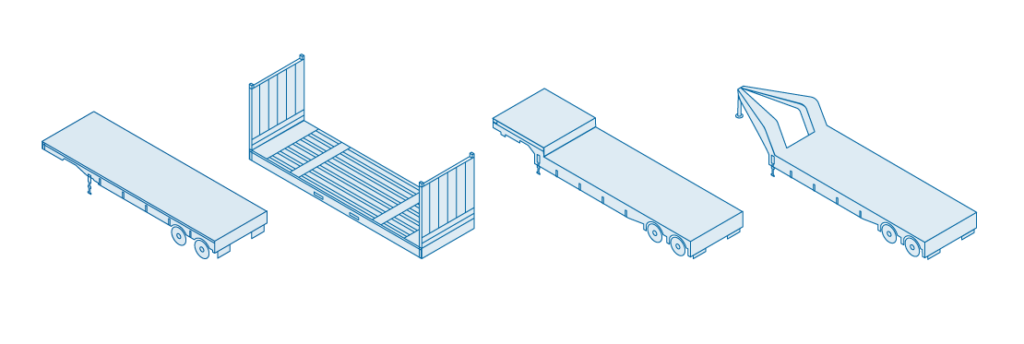
- Flatbed / step-deck / RGN: Open-deck gear costs more due to securement time, tarping, and dimensional limits. Oversized freight may require permits and escorts, which add to the rate.
- Expedited / team service: When timing is tight, two drivers or expedited services can be priced higher because they work around Hours of Service (HOS) constraints.
3) Fuel surcharge (FSC)
Many North American carriers (especially in the USA) base their fuel surcharge on the average diesel price published each week by the U.S. EIA. They turn that into a simple extra charge: either cents per mile or a percentage added to your rate.
- If diesel prices go up, the fuel surcharge goes up.
- If diesel prices go down, the fuel surcharge goes down.
Some Canadian carriers consider a Canadian diesel retail price, published by Natural Resources Canada (NRC), when setting their FSC.
A lot of carriers post their fuel surcharge tables on their websites and update them every week after the new fuel price comes out.
4) Accessorials, special services, and extra charges in FTL
These are extra charges for anything that takes more time, miles, or work than a simple dock-to-dock pickup and delivery.
- Detention / wait time: If loading or unloading takes longer than the “free time” (time included in the quote, often 1-2 hours), the carrier can charge detention (wait time). Wait time is a big cost point in shipping because it affects the driver’s legal working day.
- Layover: If delays are bad enough that the driver has to wait until the next day to deliver, you may see a layover charge.
- Redelivery: Charged when the truck shows up but can’t deliver: for example, the receiver is closed, not ready, or an appointment is missed, and the carrier has to come back again.
- Reconsignment / diversion: This happens when you change the delivery address or cancel the order after the truck is already on the road. It usually means extra miles and admin work, so there’s a fee.
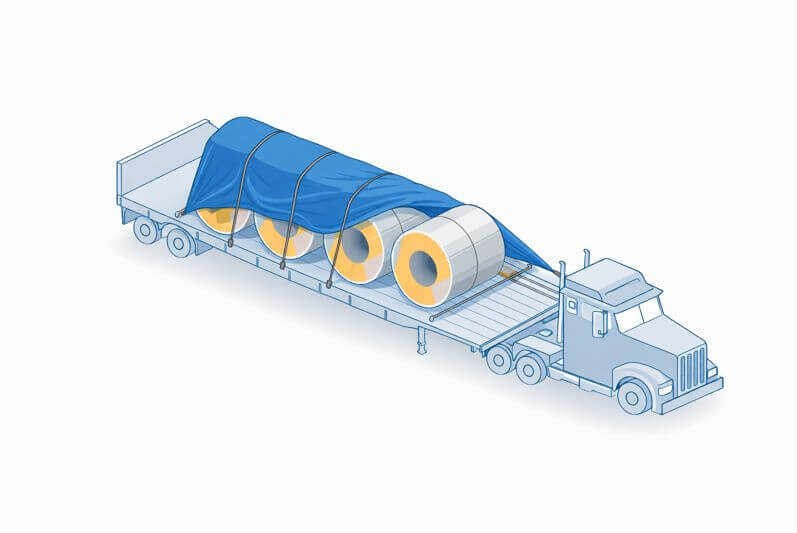
- Tarping / extra securement (open deck): For flatbeds and other open-deck trailers, tarping and special securement take extra time and gear, so they’re billed as add-ons.
- Other services like driver assistance, multi-stop routes, liftgate (for smaller trucks), and inside delivery also fall under accessorials/additional services, and carriers charge an additional fee for these.
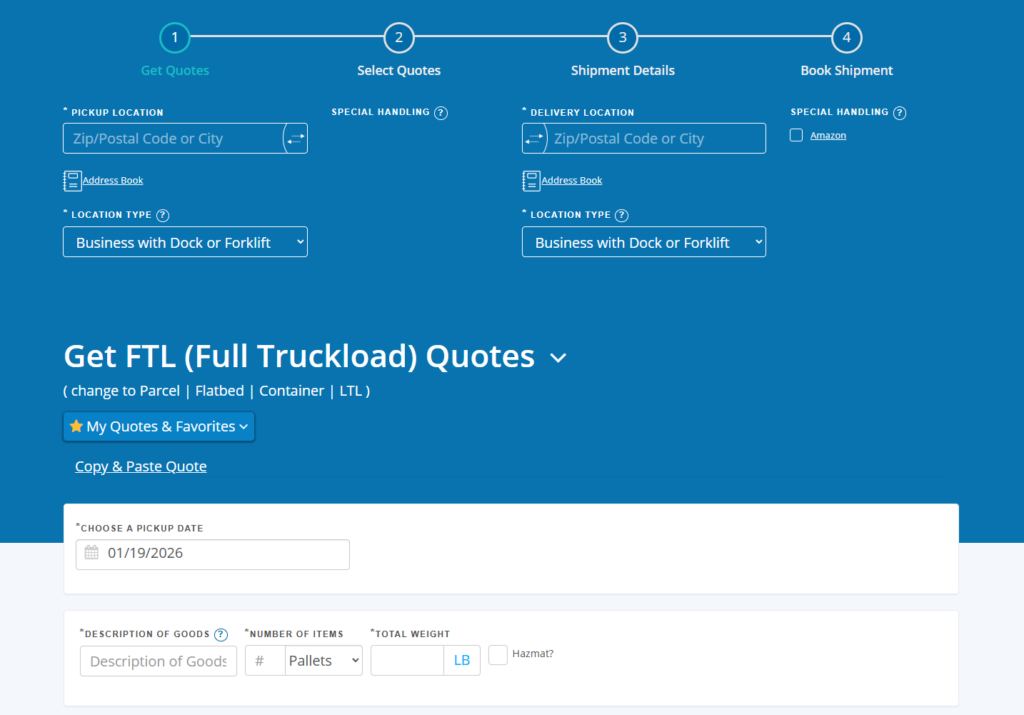
Good rule of thumb for freight shipping: Add the services you actually need when you get the quote. It’s almost always cheaper (and less stressful) than having the carrier add them later as surprises on the invoice.
5) Seasonality, weather, and carrier capacity
FTL pricing moves with the market. Here are some factors that can push rates up or limit options:
- Seasonal peaks: Busy times like produce season, construction season, and holidays can make trucks harder to find on certain lanes, which usually means higher prices.
- Weather: Storms, wildfires, floods, and ice can force detours, slow traffic, or even shut routes down for a while. That can reduce capacity and impact both price and transit times.
- Regional events: Big projects, roadwork, or a sudden spike in demand in a specific area can tighten capacity and affect pricing on that corridor.
6) Hours of Service (HOS) and real-world timing
Drivers can’t drive whenever they want: Hours of Service rules set how long they can be on duty and behind the wheel each day and week.
For example, in the USA, a property-carrying driver can generally drive up to 11 hours within a 14-hour work window, then has to take time off.
In Canada, the driver can drive up to 13 hours in a day (within a 16-hour work window).
That matters for pricing in two big ways:
- Daily miles are limited: A driver can’t just “make up time” by driving all night. If the plan is too tight, or you’re counting on unrealistic miles per day, the load may need expedited/team service or extra days, which costs more.
- Delays turn into extra fees: If loading or unloading takes too long, or you miss a tight pickup/delivery window, the driver can run out of legal driving time. That’s when you may get charged for detention, layovers, missed stops, and rescheduling.
How to avoid extra charges when shipping FTL
Most surprise FTL charges come from time and changes: longer-than-planned loading, missed appointments, last-minute address changes, or undisclosed special services.
These simple habits prevent most of it:
1) Quote with exact shipment details, and provide the correct information while booking
Provide all the details up front. The more accurate the quote, the less room there is for re-rating later.
Also, make sure you mention all the relevant details during booking, and note them on the Bill of Lading.
- Exact pickup and delivery addresses (including suite, yard, or gate info)
- Dock hours, lunch breaks, and any days closed
- Contacts with phone/email at both ends
- Accurate piece count, weight, and dimensions
- Loading method: dock, forklift, crane, side/top load
- Any special needs: tarping, driver assist, multi-stop, liftgate, limited access, reefer set-point
Don’t wait until after booking to mention constraints:
- If appointments are required, note them and the needed lead time at the quoting stage.
- For open-deck loads, specify tarping expectations and any special securement in advance.
- If there’s any chance of a different delivery address or extra stop, mention this ahead of booking, instead of mid-trip.
Missing some of these details at quote/booking time is a common reason why a “clean” quote turns into a higher invoice.
2) Plan around time and HOS (detention and layover)
Time is money in full truckload freight shipping:
- Have the freight ready before the truck arrives so loading can start right away.
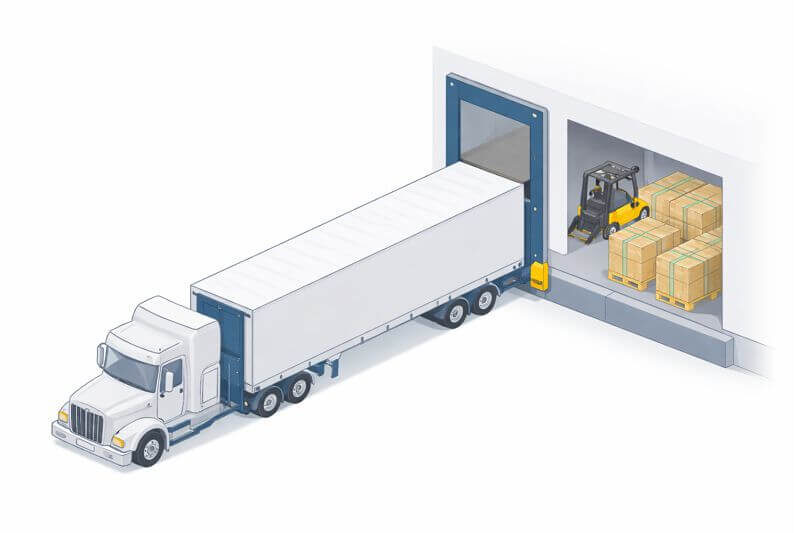
- Make sure labor and equipment (forklift, crane, dock crew) are ready at the scheduled time.
- Plan for realistic time for loading and unloading.
These steps dramatically cut the odds of detention and layovers, which are among the costliest surprise charges.
3) Plan for seasonality and weather
You can’t control the weather or the broader market, but you can plan around them:
- Ship a bit earlier around holidays, major storms, or known peak seasons.
- Leave room in your schedule for extra transit time on longer lanes.
- On certain lanes, consider rail / intermodal FTL as a backup or primary option when timing allows; it can be more stable on cost and less affected by highway congestion.
FTL pricing and extra charges FAQ
Why did my truckload price end up higher than the original quote?
Most of the time, the price changes because something about the shipment changed after you booked. Common reasons include:
- Loading or unloading took longer than expected: The driver had to wait at the dock (detention) or come back the next day (layover), so extra time was billed.
- The truck couldn’t deliver the first time: The receiver was closed, not ready, or missed the appointment, so the carrier had to try again and charge redelivery.
- You added something in the middle of the trip: For example, you needed a different delivery address, an extra stop, or changed the route after the truck was already on the road (reconsignment/diversion).
- You needed extra services that weren’t in the quote: Things like tarping on a flatbed, driver assist, inside delivery, or a liftgate were requested later (or not requested at all, but needed nevertheless).
- The driver ran out of legal drive time (HOS): Delays at pickup, delivery, or on the road meant the driver “timed out” under Hours of Service rules and had to finish the trip the next day, which can lead to extra charges.
How are FTL freight rates calculated?
Most full truckload rates start with lane and distance (often as a price per mile or door-to-door flat rate), then carriers add a fuel surcharge and any accessorials you need. Market conditions (how many trucks vs. loads on that lane) also move the prices up or down.
What is a fuel surcharge in FTL?
A fuel surcharge is an extra fee that helps carriers cover changes in diesel prices. Most carriers base it on the average diesel price published each week by the USA Energy Information Administration. Some Canadian carriers use a Canadian diesel retail price, as published by Natural Resources Canada (NRC). They then use their own tables to turn that into either cents per mile or a percentage added to your truckload rate.
What are detention extra charges?
Detention is billable time after free time (often 1-2 hours) at a facility. Every extra minute affects the driver’s HOS window (13 hours/day in Canada, and 11 hours/day in the USA), which can cause missed appointments and layovers. Government and industry studies estimate detention costs drivers over $3 billion per year, and is linked to higher crash risk, which is why carriers enforce it closely.
Is rail / intermodal FTL always cheaper than road?
Not always, but on longer lanes with flexible timing, rail FTL or intermodal can often beat road-only trucking on both cost and emissions. The tradeoff is usually a slightly longer transit time in exchange for more stable pricing and lower environmental impact.
How far in advance should I book a full truckload?
A good rule of thumb is to quote and book 4-7 business days ahead of pickup, whenever possible. That window gives carriers flexibility to plan, often leads to better pricing than last-minute requests, and helps the carriers secure the right equipment (especially for reefers, flatbeds, or oversize shipments).
Transparent, all-in truckload quotes on Freightera
Every FTL quote on Freightera is designed to be as “no-surprise” as possible:
-
- We factor in lane, distance, equipment, fuel, and selected services right in the quote, so you see a clear total before you book.
- Our Rate Defense™ policy helps protect you from unfair carrier charges and supports you if you need to dispute them.
- Email us with your load information at [email protected], and we’ll confirm equipment and timing with our carrier network and help you choose the best option. You can compare multiple truckload carriers side by side, including road and rail options on some lanes, and pick the combination of price, ETA, and emissions that fits your needs.