
FTL Additional Services: What to Add at Quote Time
How to choose the right FTL accessorials (additional services) up front, and avoid extra charges
FTL accessorials are extra services you add to your full truckload shipment to ensure that your freight quote includes all services that the carrier will provide at pickup and delivery.
If you don’t add accessorials up front while quoting (and your shipment ends up needing them), they often show up later as surprise fees on the invoice.
Think of freight accessorials as: “What else does the driver need to do besides show up, wait until the truck is loaded, drive, and wait until the truck is unloaded?”
In this guide, we’ll first walk through the FTL accessorials you should add at quote time, and then cover the most common extra charges and how to avoid them, so you can keep your full truckload costs predictable.
The most common FTL accessorials to add at quote time
1) Appointments (pickup or delivery)
Most FTL quotes have an appointment already included in the initial quote . However, it’s safer to specify that you need an appointment when the shipper or receiver needs a set time or window (e.g., grocery distribution centres, busy warehouses, sites with strict schedules).
The carrier has to plan the route around that time. If the appointment is missed, you can get redelivery charges or even storage charges.
Tip: If your pick up or delivery location has a strict schedule, share this information while quoting, not after.
2) Driver assist, inside delivery, liftgate, and straight trucks
Use these when the driver needs to help load/unload, go inside the building, come with a straight truck that can pass through narrow streets, or use a liftgate because there’s no dock or forklift.
Performing these services means additional driver labor, and sometimes means planning for additional equipment.
3) Tarping and extra securement (flatbed / open deck)
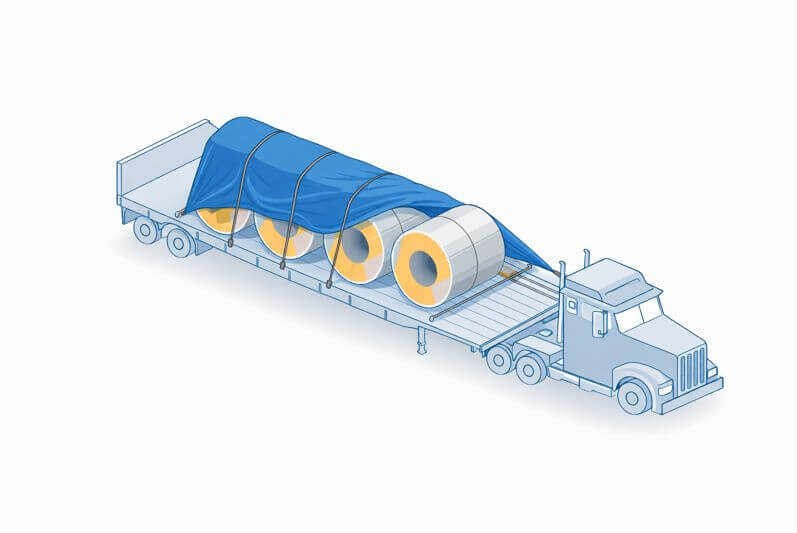
For flatbeds, step-decks, and RGNs, you may need:
- Tarping to protect freight from the weather
- Extra straps/chains, edge protectors, or special securement
These take extra time and effort, so they’re billed as add-ons.
4) Permits and escorts (oversize & heavy haul)
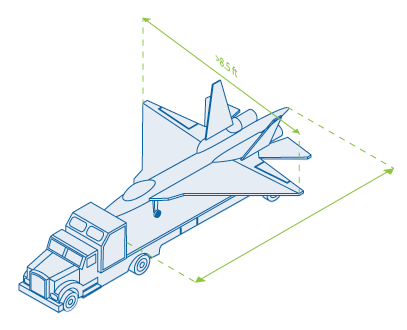
If your freight is over legal size or weight, the carrier may need:
- State permits
- Pilot cars/escorts
- Restricted travel hours
Those all add planning and cost, so they must be included in the quote.
The most common extra charges (and how to avoid them)
Extra charges are different from accessorial charges/fees in that they are usually added after booking or pickup. They are most often not approved by the shipper beforehand, but are necessary for the carrier to do their job correctly.
Here are some examples of extra charges that may appear when shipping FTL:
1) Detention (driver wait time)
Detention is the extra time the driver waits after the “free time” included in the rate (often 1-2 hours).
Waiting affects the driver’s legal working/driving day, so carriers charge for it.
Tip: Have freight, staff, and equipment ready so loading/unloading starts as soon as the truck arrives.
2) Layover
A layover is when delays happen, and the driver has to finish the trip the next day. The truck and driver are tied up for another service day, so carriers bill a flat layover fee.
3) Redelivery
Redelivery applies when the truck arrives but can’t deliver the cargo (for example, because the receiver is closed or not ready, or because the appointment was missed).
The carrier has to come back again, and that second trip is billed.
4) TONU (Truck Ordered / Not Used)
Similar to the redelivery charge, a TONU charge applies when a truck is booked and dispatched, but the load isn’t ready, was cancelled last minute, or requires completely different equipment.
The fee compensates the carrier for sending a truck that couldn’t be used.
5) Reconsignment / Diversion
This happens when you change the delivery address or add a stop after pickup.
The carrier must reroute and re-rate the trip (this means extra miles + admin costs), so there’s a fee.
Tip: Confirm the final delivery address and any extra stops before booking your truck. If there’s any real chance the delivery address or stop order might change, mention it early when you request the quote.
What to include when you get a full truckload quote
To get the right accessorials (and avoid the wrong ones) while quoting FTL, make sure your quote and booking information includes:
- Loading/unloading equipment and location access: Do your pick up and delivery locations have a dock, forklift or crane on site? Any gate codes or limited access?
- Equipment type: Dry van, reefer (with temperature set-point), flatbed, step-deck, RGN, and whether tarping is required.
- Number of stops: Are there any additional stops between the pick up location and the delivery location?
- Appointments: Note if pickup or delivery must be at a set time or window.
- Possible changes: If there’s any real chance the delivery address or stop order might change, mention it early.
The closer your quote matches what will actually happen during shipping, the lower the odds of extra charges.
Accessorials cover real additional work the carrier has to do: more time, miles, labor, or risk.
Even small delays and “one quick change” requests add up across many loads, so carriers have to charge for them to stay profitable.
The best way to avoid surprise fees is to add only the services you truly need at quote time, based on how your locations really work in day-to-day operations.
FTL Accessorials FAQ
What are FTL freight accessorials?
They’re extra services added to your truckload shipment, like appointments, driver help with loading, tarping on a flatbed, or extra stops. If it’s more than “show up, load, drive, unload,” it’s usually an accessorial.
Do I have to add accessorials when I get a freight quote?
You should add any services you know you’ll need up front (appointments, liftgate, driver assist, tarping, etc.). If you don’t, the carrier can add them later as extra charges when they see what really happened at pickup or delivery.
What accessorials cause the biggest surprise costs?
The usual culprits are detention (driver waiting), layover (extra day), redelivery (receiver not ready/closed), reconsignment (address change), and TONU (truck ordered/not used). Most of these come from slow loading, missed appointments, or last-minute changes.
How do I avoid paying for freight accessorials I don’t need?
Be honest and specific when you quote: describe the site, access, equipment, and help you actually have. If you have a dock and forklift, you probably don’t need liftgate or driver assist. If the receiver is strict on appointments, add that from the start instead of hoping it won’t matter.
What’s the difference between detention and layover?
Detention is the paid waiting time after the free time at a facility (often 1-2 hours). Layover is when delays are big enough that the driver has to finish the trip the next day, so you pay a flat fee to keep the truck and driver on your load.
Ready to book a truck with the right accessorials (and none you don’t need)?
Email us your shipment details at [email protected], and our team will help you pick the right services and avoid surprise fees.