
How Freight Quotes Are Calculated
Freight pricing 101: What goes into your freight quote
A freight quote is the total cost of moving your shipment from point A to point B. It combines the base rate, fuel surcharge, accessorials, and taxes, depending on your route. The more accurate your shipment details, the closer your quote will match your final invoice.
With Freightera, if your quote matches exactly what you ship, your rate will always be all-inclusive.
This guide walks through each part of a freight quote so you know exactly what to look for when comparing freight quotes from different carriers. We’ll also go through the reasons why two quotes for the same lane can look very different.
The basic building blocks of a freight quote
As we mentioned earlier, in most cases (though it can vary by freight quote provider), your total freight charge is made up of: base rate + fuel surcharge + accessorials + taxes.
The base rate is the core transportation cost before fuel, and any extra services are added.
It changes based on the mode you use (LTL, FTL, container), the lane (the distance and direction between origin and destination), and your shipment specifications:
- For LTL, that includes weight, dimensions, freight density or class (in the USA), and whether the freight is stackable.
- For FTL, it depends more on the equipment type (such as dry van, reefer, or flatbed) and service level.
Timing also affects the base rate. Standard service with good lead time will usually be priced differently from expedited shipments or last-minute bookings on the same lane.
How base rates differ by freight shipping mode
LTL (Less Than Truckload) quotes
LTL pricing is largely driven by freight class (in the USA) or density, the weight and dimensions of each handling unit, the space your shipment occupies, the carrier’s lane coverage, and any carrier minimums or discounts that apply.
Large, long, light, or non-stackable freight can trigger linear-foot or capacity rules, which increase the cost. In the USA, most LTL carriers also use NMFC classifications in their pricing structure.
For a deeper explanation, see the full article on LTL pricing.
FTL (Full Truckload) quotes
FTL shipments are typically priced either per mile or as a flat lane rate.
The final price is adjusted based on the lane, the equipment type you need (such as dry van, reefer, or flatbed), your lead time, and whether you choose standard transit or faster options like expedited or team service.
For more details, read the full article on how FTL pricing works.
Container shipping quotes
Container shipping base rates often include both the long-haul move (by rail or vessel) and the local drayage at origin and destination.
Depending on the carrier, fuel and terminal fees may be bundled into that price or itemized as separate lines. See this article for more information on container quotes and pricing.
Fuel surcharge (FSC)
Fuel prices fluctuate week to week, so most carriers keep their base rates relatively stable and let the fuel surcharge (FSC) move up and down with diesel prices. This structure is why two quotes for the same lane may differ mostly in the fuel line, even when the base rate looks similar, and why spot or dynamic quotes can shift quickly when fuel prices change.

Most FSC tables track a public diesel benchmark rather than a fixed number. They usually follow the weekly USA on-highway diesel price published by the EIA, while many Canadian carriers use a Canadian retail diesel price published by Natural Resources Canada (NRC).
In LTL, FSC is usually shown as a percentage of the linehaul, while in FTL it is often expressed as cents per mile.
Accessorials and value-added services
Anything outside a standard business-to-business, dock-to-dock shipment is usually billed as an accessorial or value-added service.
This can include location-related charges (such as residential or limited access deliveries, farms, schools, construction sites, Amazon/DCs, or trade shows) as well as special equipment needs like liftgates, straight trucks, pallet jacks, tarping, or extra securement.
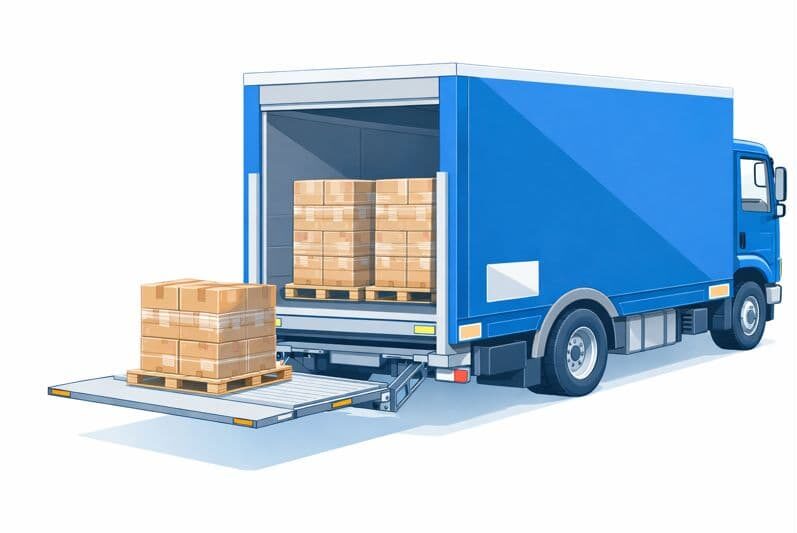
Other common add-ons include handling services such as inside pickup or delivery and driver assist, timing requirements like scheduled appointments or expedited transit, and operational situations like detention, layovers, redelivery, reconsignment, or TONU. These fees vary widely by carrier, lane, and equipment.
To avoid unexpected charges, make sure you enter accurate shipment details, select every service you’ll need when quoting, and confirm pickup and delivery conditions before the driver arrives.
For a complete breakdown of accessorials, how they work, and how to avoid surprise charges, see our full article dedicated to accessorials and value-added services.
Taxes and currency
Taxes and currency can also affect your final freight cost.
In Canada, GST or HST typically applies, while in the USA, taxability varies by state and by how the invoice is structured.
Quotes and invoices may be issued in Canadian dollars (CAD) or USD, so it’s important to confirm which currency applies and how any exchange is handled.
On Freightera, your currency is fixed to the preference you selected (CAD or USD) while creating your account, so there are no surprises.
How Freightera makes freight pricing easier
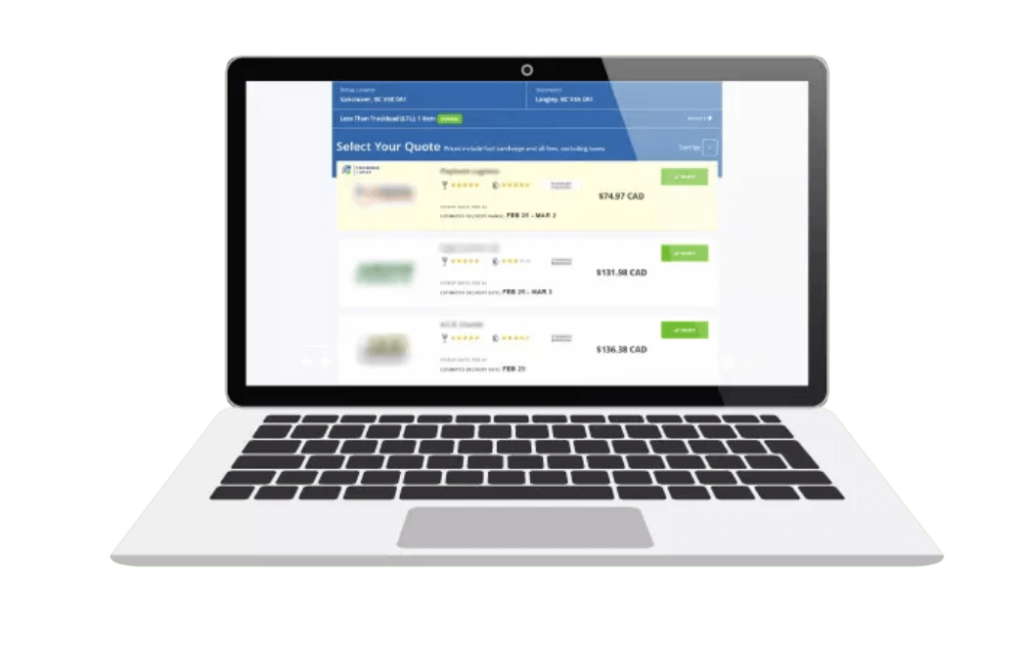
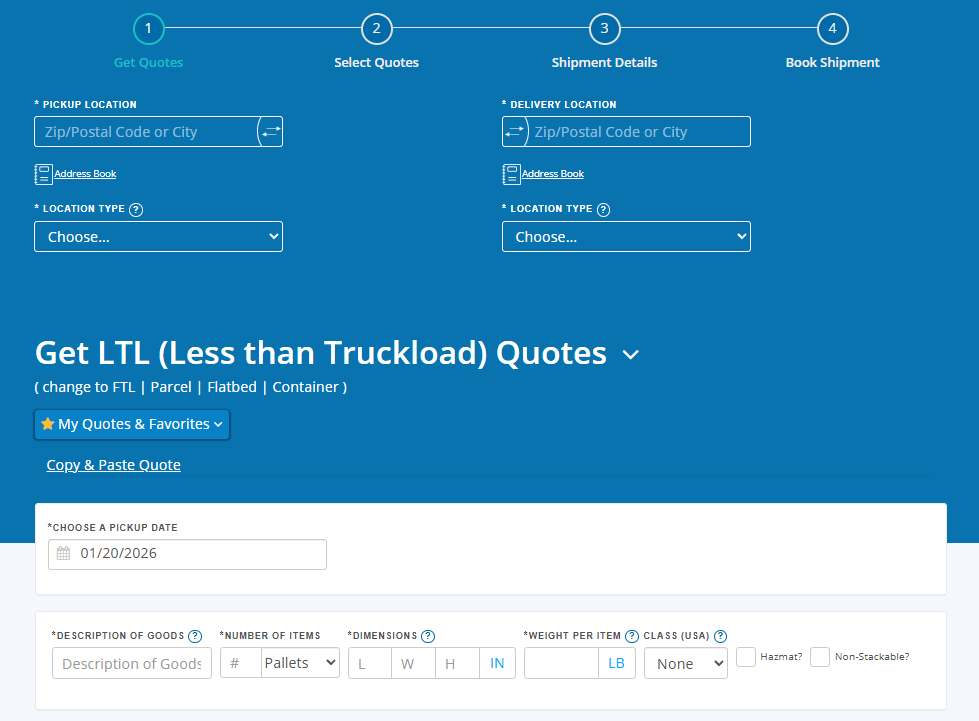
Freightera lets you compare freight quotes from hundreds of freight carriers, all in one place. Quotes are instant and all-inclusive, as long as you:
- Enter the right weight and dimensions
- Choose the correct pickup and delivery location types
- And select all the needed services on the quoting page
If a carrier adds an incorrect charge, Freightera’s Rate Defense™ helps challenge unfair add-ons.
Freightera’s Rate Defense™
Rate Defense™ is Freightera’s process for protecting shippers from unfair or incorrect post-pickup charges.
If a carrier adds a fee that doesn’t match the facts of your shipment or the terms of the original quote, Freightera reviews the charge, compares it to your submitted details, and challenges it directly with the carrier on your behalf.
Rate Defense™ typically covers situations such as:
- Incorrect reweighs or re-measured dimensions when your original specs were accurate
- Wrong location-type charges (e.g., a residential fee when the site is commercial)
- Unnecessary accessorials added by mistake (liftgate, appointment, inside delivery, etc.)
- Fuel or tariff adjustments that do not align with the carrier’s published rules
- Duplicate or misapplied fees
Freightera uses documentation (photos, BOL, carrier notes, timestamps, site details) to verify what actually happened. If the facts support you, the team disputes the charge and works to have it removed or corrected.
In short: if you quoted accurately and the charge doesn’t match what really happened during shipping, Freightera’s Rate Defense™ steps in so you’re not charged unfairly.
Freight shipping pricing FAQ
What is included in my freight quote?
Base rate, fuel surcharge, selected accessorials, and applicable taxes. Duties and customs brokerage fees are not included.
Why do two quotes for the same lane look different?
Mode, service level, fuel surcharge, accessorials, liability, and transit time may differ. Compare quotes with identical specs and services for accuracy.
Why was my invoice higher than my quote?
Common reasons include incorrect weight/dimensions, residential or limited access locations, unaccounted additional services and accessorials, reclassification fees, and delays.
Is fuel always shown separately?
Not always. It may be itemized or blended, but it’s always part of your total cost. Focus on the all-in number.
How long is my quote valid?
Usually for days, depending on the provider. If you get a quote more than 30 days in advance, make sure to re-quote closer to the shipping date.
Ready to compare carriers and see all-inclusive, up-front pricing?
Start now on Freightera: enter your shipment details and get instant, all-inclusive freight quotes you can book in a few clicks.